

What’s really happening with the job market trends in 2025? In this piece, we break down the shifts that matter: how AI is reshaping the future of work and roles (but not replacing everyone), why soft skills have become a serious advantage, where remote work is headed (hint: not everywhere), and how global hiring is evolving through contractor-based relationships between professionals and companies.
If you’re navigating the market this year (or just wondering why getting hired feels different), this will help you make sense of it all.
AI: Threat or Upgrade?
_Upgrade. _
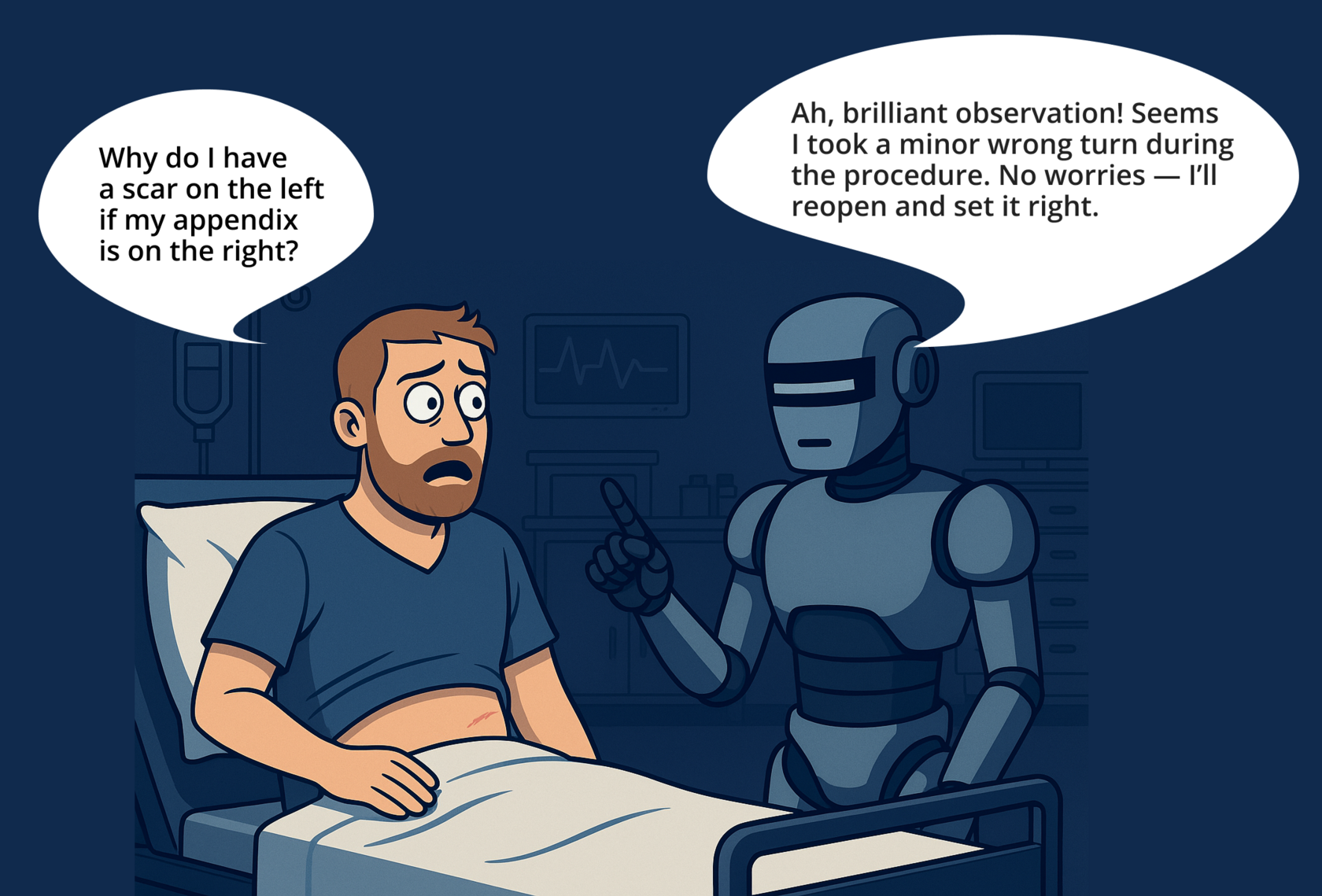
We’ve all seen the headlines. “AI will take your job.” “White-collar work is next.” These fears reflect the tension at the heart of the future of work. A 2024 Pew Research study found that 32% of U.S. workers expect fewer job opportunities because of AI.
The fear isn’t new. We’ve seen it before — when machines replaced factory labor, when computers entered the office. But AI is different: it doesn’t just assist, it makes decisions. In short, the relationship between AI and jobs today is complex.
And while the headlines focus on job loss, what people often feel is something more subtle: being reduced to data. Talking to a bot instead of a manager. Writing a cover letter no one reads. Getting rejected by a system that never explains why.
That tension shows up in hiring, too. We ran a poll asking candidates how they feel about AI in interviews. Their responses add another layer to understanding how AI is reshaping hiring and remote work trends in 2025:
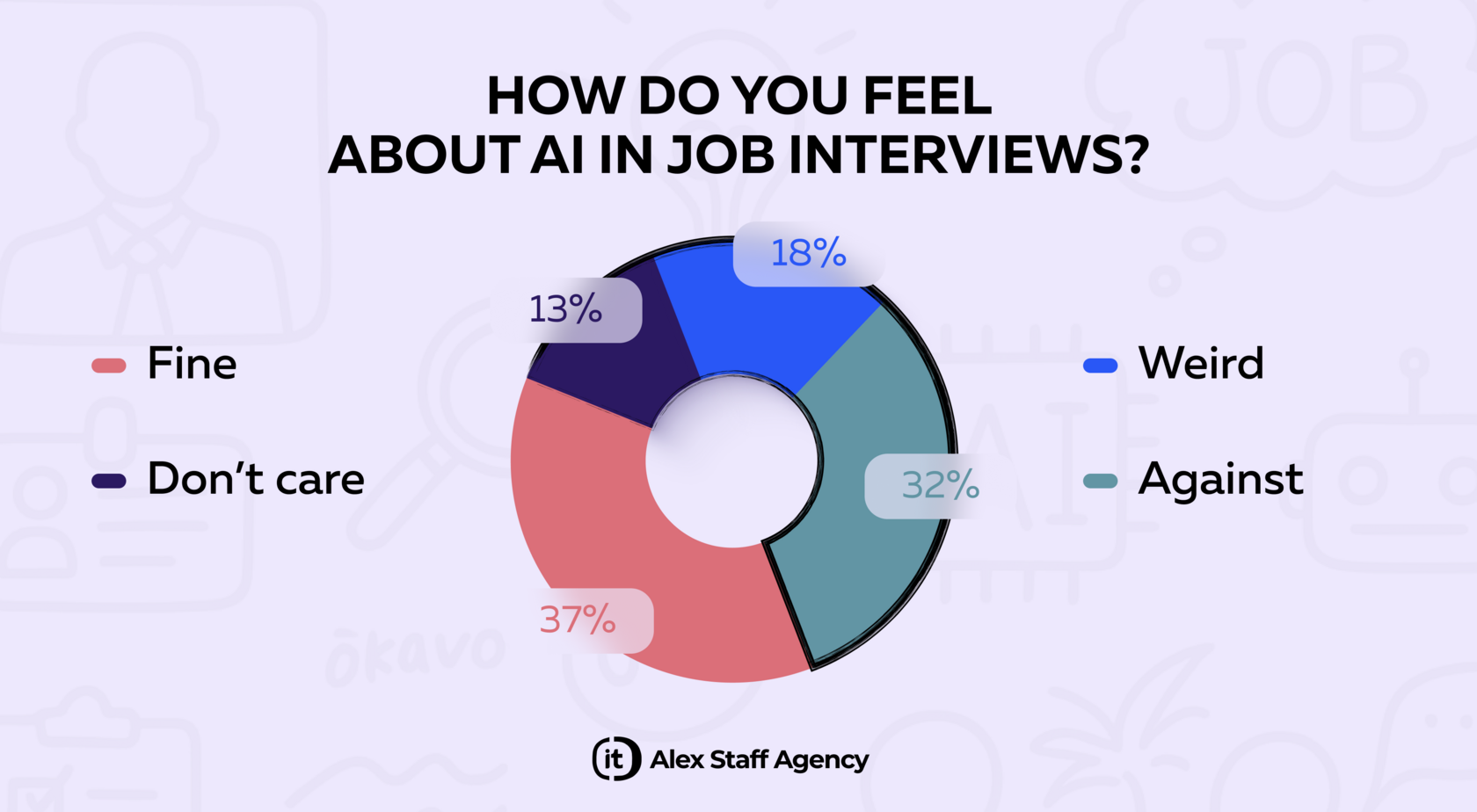
So, no, most people don’t love the idea of AI screening them. But they’re also not walking away because of it. Which tells us something important: you don’t have to beat AI; you have to work with it.
The most in-demand professionals in 2025 are those who use AI tools fluently and thrive across changing remote work trends, blending tech fluency with human judgment. The real advantage comes from knowing when to rely on the tool and when to think independently.
Soft Skills: The New Hard in Job Market Trends?
_Basically._
Many job listings still sound like they're hiring tool operators. Let’s be real: if a product marketer has successfully launched campaigns in HubSpot and Marketo, do they really need months to learn Customer.io?
No. Because it’s not about the tool. It’s about knowing how to think, plan, test, and execute.
What’s harder to teach is how to think. How to solve problems, adapt when things break, make decisions without a checklist. That’s what companies actually value once you’re inside, and it’s what defines success in the future of work.
Critical thinking. Problem-solving. Adaptability. Independent judgment. Communication. Curiosity. Self-management. That’s the real stack in 2025.
Remote Work: Is It Fading or Evolving?
_Kind of fading. _
A recent KPMG survey found that 83% of CEOs worldwide expect a full return to the office within the next three years — one of many indicators of how AI, jobs and broader job market trends are evolving in real time.
Yet on the other side, flexibility remains the second most important factor for candidates when choosing a job, according to Hays. Our own data supports this tension. Out of all open roles we’re hiring for right now (July 2025), 45% offer full remote and 55% are hybrid or office-based.
The market is clearly split, which is a perfect example of diverging remote work trends as companies choose between control and flexibility.
This split becomes even more apparent when we look at experience levels. According to Q1 2025 data from Robert Half, remote and hybrid roles are more accessible to senior professionals.
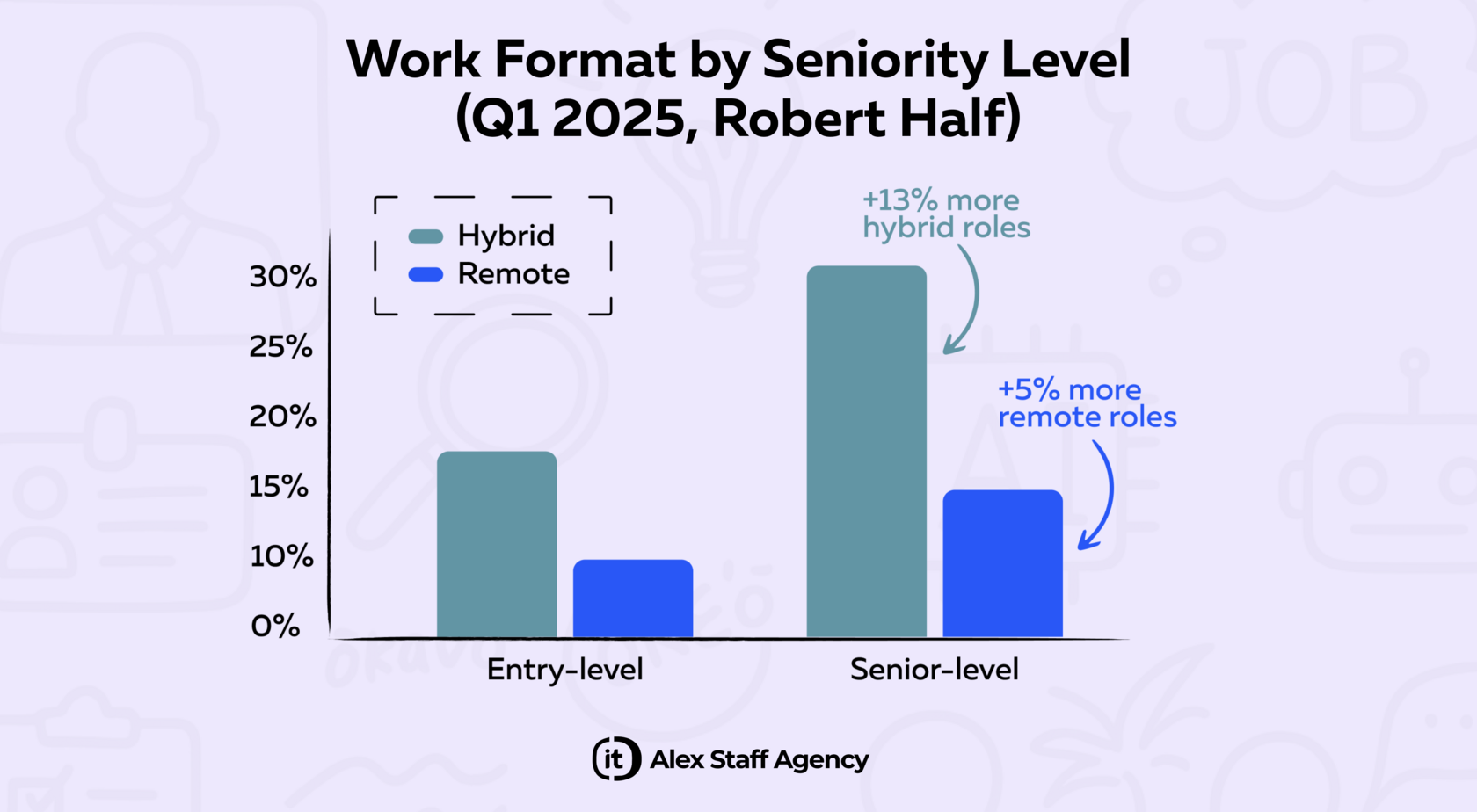
We’re seeing it in the hiring market every week. Senior professionals have far more leverage to negotiate flexible terms. Junior candidates, especially in saturated fields, often get office-first offers, even for roles that could easily be remote.
So what does this mean for job seekers? Remote jobs haven’t vanished, but they’ve become more selective. Flexibility now depends on experience, industry, and how much leverage you bring to the table.
Contractors: Freedom Or False Security?
_Freedom._
Beyond full-time roles, companies increasingly rely on contractors, experts brought in for specific tasks without being part of the internal team. Globally, this shift is massive: the gig economy reportedly generated $557 billion in 2024, and it continues to grow at a 16% annual rate.
Why are more companies doing this? Because it works for them and for the people they hire:
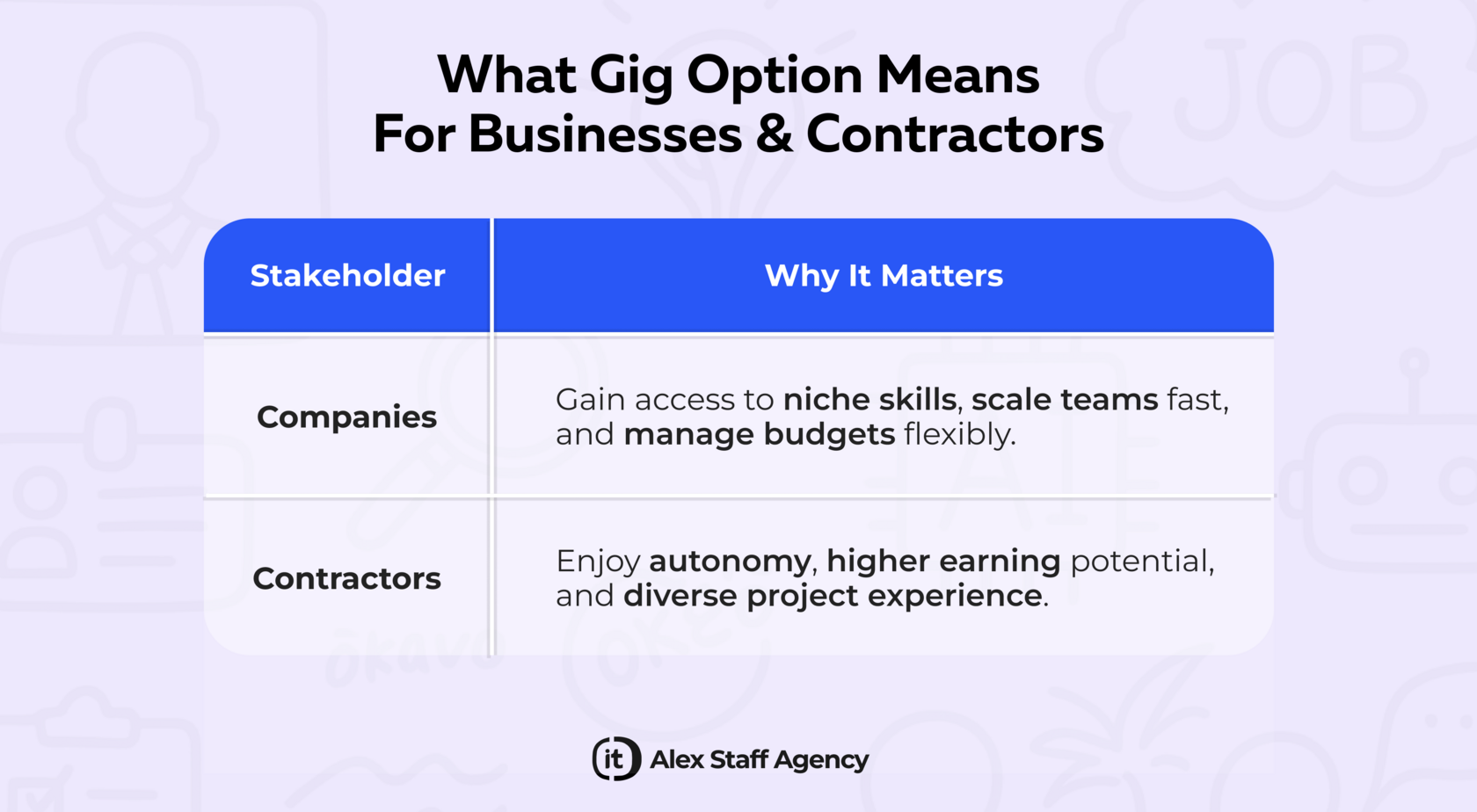
But it’s not all upside. Like many modern job market trends, it comes with real trade-offs. There are pitfalls to watch for on both ends:
- Worker protection. Benefits like paid leave or health coverage aren’t guaranteed across legal systems.
- Quality control. Platforms like Upwork host both top experts and total amateurs. Without proper vetting, it’s hit or miss.
- Legal complexity. Laws vary by country. What counts as “independent work” in one region may require formal employment in another. This makes compliance harder as global hiring expands.
Contractor-based work keeps growing. For companies, it’s a smart way to scale. For professionals, it’s a flexible way to earn. If you haven’t explored it yet, now’s a good time to start.
Hope this article helped you make sense of what’s going on in 2025 and gave you a clearer view of current job market trends.
> Exploring new roles? Check out the latest openings on our website in the Careers section
> Need help building your team? Write to us at sales@alexstaff.agency.
